4 min read
The Future of AI Isn't Just Intelligence. It's Trust.
As AI systems become more autonomous and integrated into business operations, trust, resilience, governance, and security are becoming critical competitive advantages.

The Future of AI Isn't Just Intelligence. It's Trust.
The AI industry spends a lot of time talking about capability.
Bigger models.
Smarter reasoning.
Longer context windows.
More autonomous agents.
And those advancements matter.
But as AI systems become increasingly integrated into business operations, another factor may become equally important:
Trust.
Not trust in the model.
Trust in the system.
A Recent Reminder
Recently, our team received a trust-and-safety notification from Google Cloud regarding potentially exposed resources associated with one of our AI infrastructure projects.
The alert triggered an immediate review.
Within approximately two hours, our team identified the affected resources, isolated them, rotated credentials, implemented additional safeguards, validated continuity across the platform, and completed remediation.
The project was subsequently reinstated.
While the event itself was contained, it reinforced several observations we believe will become increasingly important as AI systems continue to evolve.
AI Systems Have Large Attack Surfaces
Traditional software applications are already complex.
Modern AI systems introduce additional layers.
Today's AI platforms frequently interact with:
cloud infrastructure
databases
APIs
orchestration frameworks
automation tools
third-party services
authentication systems
vector databases
external applications
Each integration creates value.
Each integration also introduces additional risk.
As capabilities increase, operational complexity increases alongside them.
Agentic AI Changes the Security Equation
The industry is moving rapidly toward more capable agents.
Systems that can:
perform research
execute workflows
retrieve information
interact with software
coordinate tasks
take actions on behalf of users
This creates enormous opportunities.
It also changes the security equation.
Historically, software systems primarily stored and displayed information.
Increasingly, AI systems will participate in operational workflows.
As agents gain access to more tools and systems, governance becomes increasingly important.
Capability and responsibility scale together.
Detection Speed Matters
Many organizations focus heavily on prevention.
Prevention is important.
But no system is perfect.
The difference between a minor issue and a major incident is often the ability to:
detect quickly
isolate quickly
respond quickly
recover quickly
This is one reason monitoring, alerting, auditing, and operational visibility are becoming foundational components of modern AI infrastructure.
The goal is not perfection.
The goal is resilience.
Trust-and-Safety Systems Matter
One of the most valuable aspects of the experience was the notification itself.
Provider trust-and-safety systems play an important role in the broader ecosystem.
In this case, the alert surfaced a potential issue early and created an opportunity to strengthen controls before it became something more significant.
As AI infrastructure becomes more interconnected, collaboration between providers and platform operators will become increasingly important.
Reliability Is Becoming a Product Feature
Users often evaluate AI systems based on:
model quality
features
speed
cost
These factors matter.
But over time, reliability may become just as important.
Businesses are increasingly depending on AI systems for:
customer engagement
operational workflows
lead generation
estimates and pricing
content creation
workflow automation
As reliance increases, users begin asking different questions:
Can I trust it?
Will it be available?
Is it governed properly?
Can it recover quickly?
Are safeguards in place?
These questions are becoming product questions.
Not just security questions.
The SCRUBgpt Philosophy
At SCRUBgpt, we believe the future of AI will not be defined solely by intelligence.
It will also be defined by trust.
For service businesses, AI is increasingly becoming part of daily operations.
Plumbers.
Cleaners.
Electricians.
HVAC technicians.
Contractors.
Facility managers.
These businesses are not looking for experimental technology.
They are looking for systems they can rely on.
That means investing not only in capabilities, but also in:
monitoring
governance
resilience
operational maturity
responsible infrastructure
The future of AI is not simply about what systems can do.
It is about whether businesses trust those systems enough to depend on them.
Looking Ahead
AI systems will continue becoming more capable.
Agents will continue gaining access to tools, workflows, and operational responsibilities.
As that happens, trust will become a competitive advantage.
Not because it replaces innovation.
Because it enables innovation to scale.
The future of AI isn't just intelligence.
It's trust.
Ready to get started?
Ready to run your service business with AI?
SCRUBgpt helps blue-collar professionals find commercial leads, automate operations, improve marketing visibility, and run their businesses more efficiently.
Try SCRUBgpt free for 7 days and see how AI can support your business.


Featured Posts

1 min read
What is the Best HVAC Software for Small Businesses?

1 min read
What is the Best Estimating Software for Plumbing Jobs?
1 min read
SCRUBgpt Is Now Available on AWS Marketplace

1 min read
Can Plumbing Business Software Help You Grow Faster?
1 min read
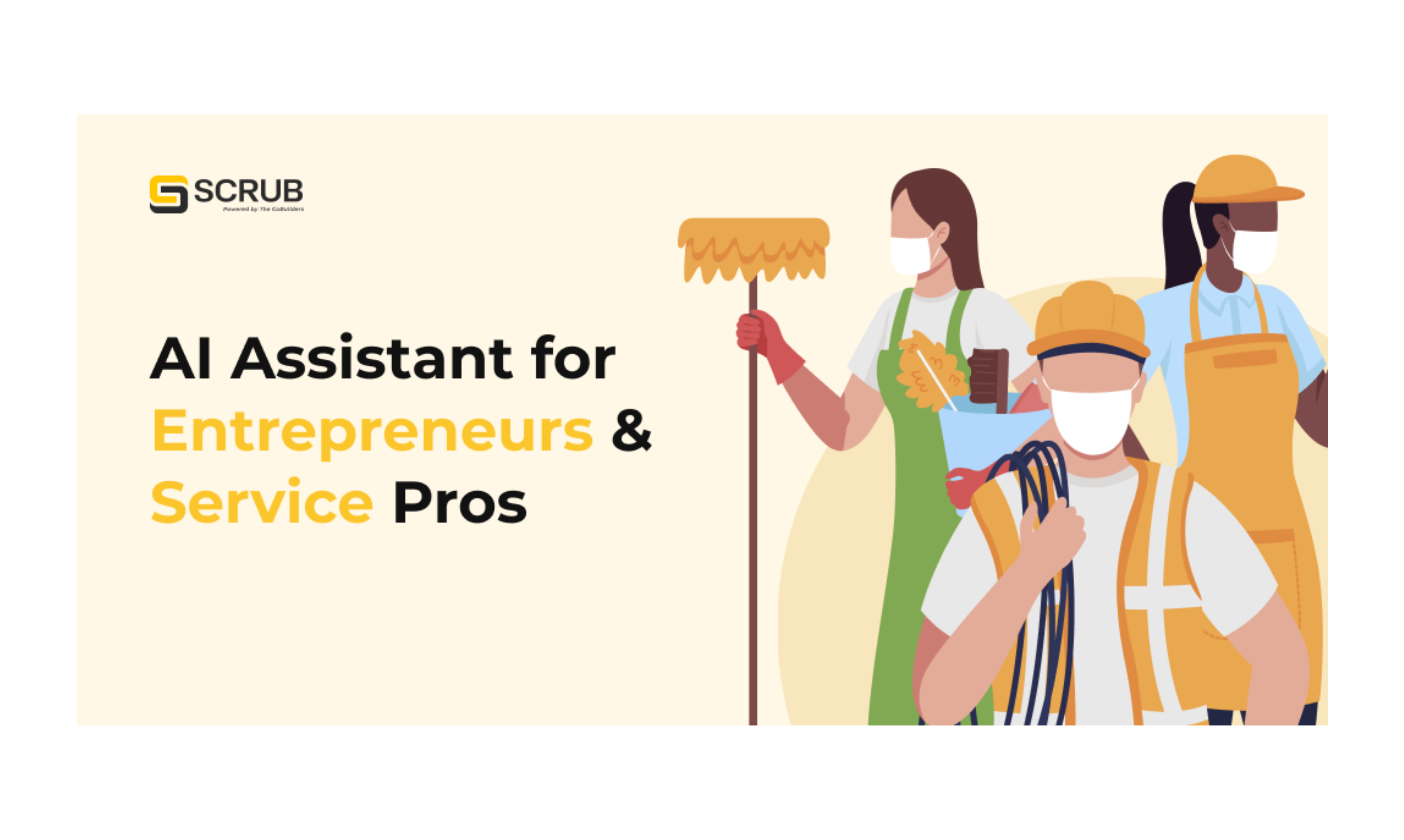
AI Tools for Small Business: 9 Ways to Save Time and Grow
1 min read
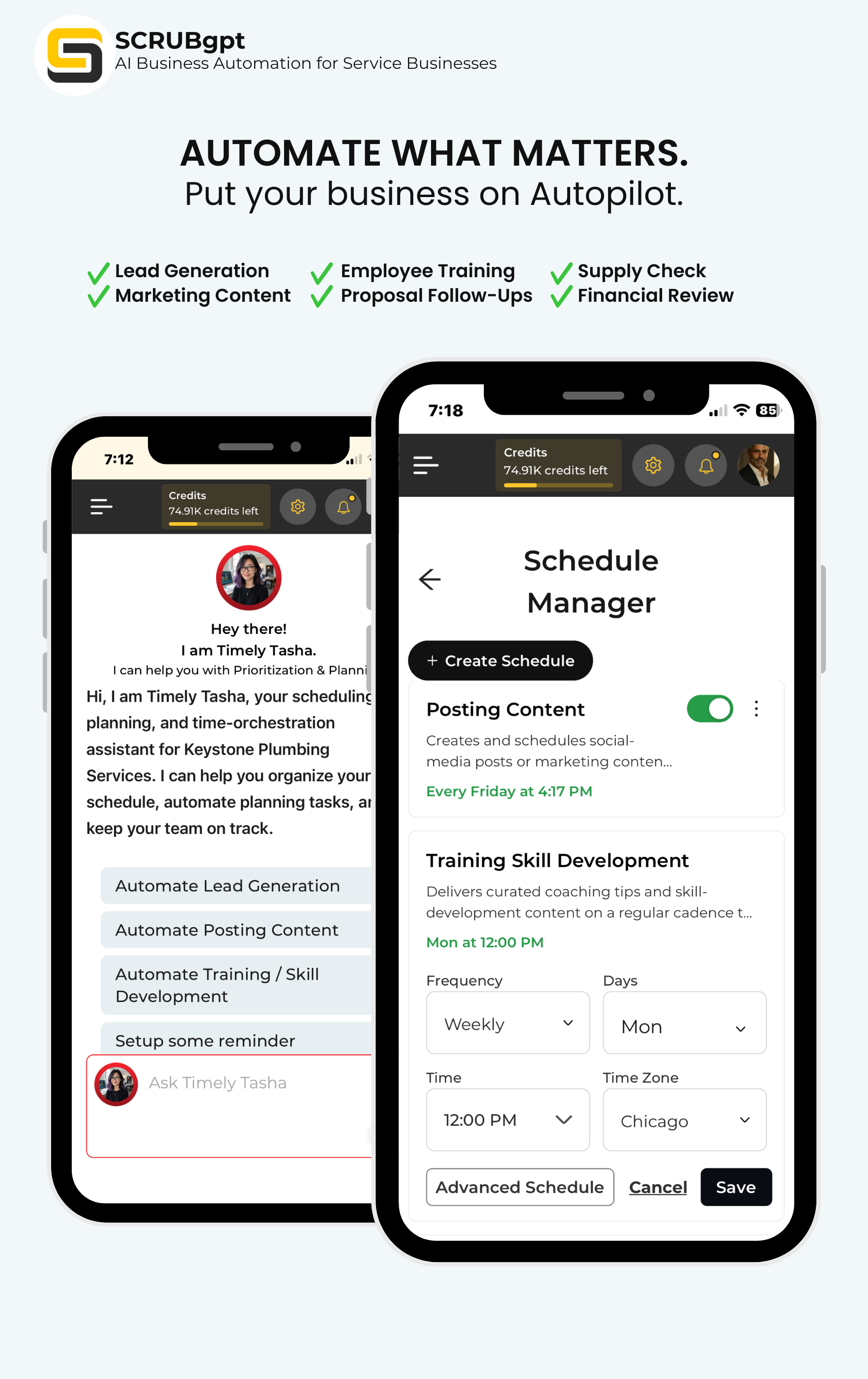
Cleaning Company Software: What Growing Cleaning Businesses Should Look for in 2026
Related Blog
1 min read
What is the Best HVAC Software for Small Businesses?
Running a small HVAC business means juggling scheduling, invoicing, and customer records all at once. This guide breaks down what to look for in HVAC software — and how to pick the right fit for your team.
1 min read
What is the Best Estimating Software for Plumbing Jobs?
Explore the best plumbing estimating software, key features, AI tools, pricing options, and tips to choose the right solution for your plumbing business.
1 min read
SCRUBgpt Is Now Available on AWS Marketplace
SCRUBgpt is now available on AWS Marketplace, expanding access to practical AI tools that help service businesses find work, create estimates, market, automate tasks, and grow.
1 min read
Can Plumbing Business Software Help You Grow Faster?
Discover how the right plumbing business software can help small plumbing companies work smarter and grow faster. Learn how scheduling, customer management, digital invoicing, payment tracking, technician access, reminders, and AI automation can reduce admin work, improve customer service, and help your plumbing business handle more jobs efficiently.
1 min read
Which is the Best Software for Managing a Cleaning Business?
This blog explores the best software for managing a cleaning business in 2026. It covers essential features like scheduling, online booking, customer management, invoicing, staff management, automated reminders, and AI automation. It also explains how to choose the right software for house cleaning companies and small cleaning businesses.

1 min read
HVAC Service Software: The Smarter Way to Run Your Business
This blog explains what HVAC service software is, how it helps HVAC businesses manage scheduling, estimates, customer records, technicians, and daily operations, and how to choose the right software for your business.

Connect With Us


SCRUBgpt
Legal & Privacy
© 2015-2026 The CoBuilders LLC. SCRUBgpt is a product of The CoBuilders. All rights reserved.